What Should You Avoid After a Microneedling Treatment?
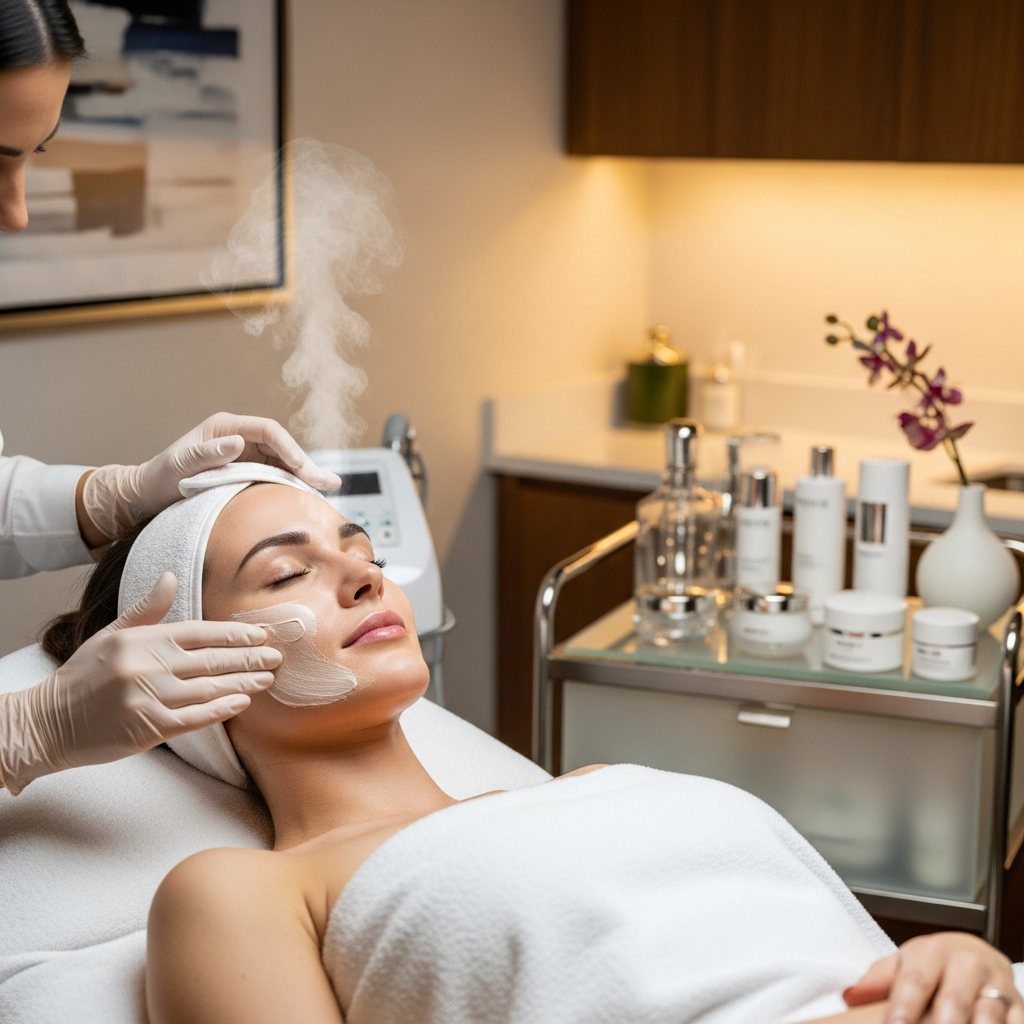
You’re sitting in your bathroom mirror, admiring your freshly microneedled face, when suddenly you remember – wasn’t there something your aesthetician mentioned about aftercare? Something important you shouldn’t do? But honestly, you were so focused on how amazing your skin was going to look that half the post-treatment instructions went in one ear and out the other.
Sound familiar?
I get it. When you’ve just invested in a microneedling treatment (and let’s be real, it wasn’t cheap), you’re already mentally fast-forwarding to those glowing before-and-after photos you’ll be posting in a few weeks. The last thing on your mind is a laundry list of “don’ts” when all you want to think about are the “dos” – as in, “do prepare for compliments on your amazing skin.”
But here’s the thing… and I learned this the hard way after my first microneedling session went slightly sideways because I thought I knew better than the professionals. What you do – or more importantly, what you *don’t* do – in those crucial first few days after treatment can literally make or break your results.
Think of your freshly microneedled skin like a construction site. Those tiny channels your aesthetician just created? They’re working overtime to rebuild, repair, and regenerate. Your skin is in this incredible healing phase where collagen production is ramping up, cell turnover is accelerating, and all sorts of wonderful things are happening beneath the surface. But just like you wouldn’t walk through a construction zone wearing flip-flops, you can’t treat your healing skin like it’s business as usual.
The difference between someone who gets those jaw-dropping results we all see on Instagram and someone who ends up with irritation, breakouts, or worse – hyperpigmentation that takes months to fade – often comes down to those first 72 hours post-treatment. I’ve seen people undo weeks of progress with one ill-timed hot yoga session or an aggressive exfoliation session because they “felt fine” and figured their skin could handle it.
Your skin might look okay on the surface – maybe just a little pink, like you spent too long in the sun – but underneath? It’s working harder than it has in years. Those microscopic wounds are your skin’s invitation to rebuild itself better than before, but only if you give it the right environment to do its job.
And honestly? Some of the biggest mistakes people make aren’t the obvious ones. Sure, most of us know not to scrub our faces with a washcloth immediately after treatment. But did you know that seemingly harmless activities like taking a steamy shower, using your regular vitamin C serum, or even sweating during your morning walk could potentially sabotage your healing process?
The tricky part is that a lot of the things you should avoid are probably part of your normal routine – things you do without even thinking about them. Your usual skincare regimen, your workout schedule, even the way you sleep… temporarily, some of these habits need to take a backseat while your skin does its magic.
But don’t worry – I’m not here to give you a mile-long list of restrictions that’ll make you feel like you’re living in a bubble for the next month. What I want to do is walk you through the key things that could interfere with your healing process, explain *why* they’re problematic (because understanding the reasoning makes it so much easier to stick to the guidelines), and give you some practical alternatives so you’re not just sitting around waiting for your skin to heal.
Because ultimately, you didn’t invest in microneedling just to get mediocre results. You want that smooth, glowing, confidence-boosting skin that makes people ask what you’ve been doing differently. And getting those results? It’s absolutely achievable – as long as you know how to set your skin up for success during those critical first few days.
So let’s talk about what to avoid, why it matters, and how to make this healing period as smooth as possible…
Your Skin is Basically Having a Controlled Freak-Out
Here’s the thing about microneedling – and this might sound a bit weird at first – but you’re essentially asking tiny needles to poke hundreds of microscopic holes in your face. On purpose. For beauty reasons.
I know, I know. When you put it that way, it sounds like something from a medieval torture manual. But stick with me here because there’s actually some brilliant science behind this apparent madness.
Think of your skin like a really old house that’s gotten a bit… tired. The paint’s chipping, the foundation’s settling, and things just aren’t as tight as they used to be. Microneedling is like having a very precise renovation crew come in – except instead of sledgehammers, they’re using the world’s tiniest construction tools to create controlled damage that forces your skin to rebuild itself. Better than before.
The Healing Highway Your Skin Takes
When those micro-injuries happen (and they’re truly micro – we’re talking about punctures smaller than the period at the end of this sentence), your body doesn’t just shrug and move on. Oh no. It goes into full-scale emergency repair mode.
Within minutes, your skin starts releasing growth factors – think of them as the foremen shouting orders at the construction site. “More collagen over here! We need elastin production in sector 7! Someone get the blood vessels working on delivery!”
This process unfolds in three main phases, and honestly, it’s pretty fascinating once you understand what’s happening under there. First comes the inflammation phase – which sounds scary but is actually your skin’s way of clearing out debris and getting the repair crew organized. Then you’ve got the proliferation phase, where new cells start multiplying like crazy. Finally, there’s the remodeling phase, where everything gets reorganized into stronger, smoother tissue.
The whole process takes weeks to months. Which brings us to why post-treatment care matters so much…
Why Your Skin is Temporarily Compromised
Here’s where things get a bit counterintuitive. Right after microneedling, your skin looks pretty much normal – maybe a little red, like you’ve been outside on a windy day. You might think, “Great! I can get back to my regular routine.”
But that would be like thinking you can immediately move furniture into a house where the contractors are still working. Sure, the walls look fine from the outside, but there’s serious reconstruction happening underneath.
Your skin barrier – that invisible protective layer that keeps moisture in and irritants out – has been temporarily compromised. It’s like having a security system that’s been temporarily disabled for updates. Everything’s going to be fine, but for now, you need to be extra careful about what you let through the doors.
The Microscopic Reality Check
Let me paint you a picture of what’s actually happening at the cellular level, because once you understand this, everything else makes so much more sense.
Those tiny channels created by the needles? They’re not just surface scratches. Depending on the needle depth (which varies based on what you’re treating), they can penetrate through multiple layers of skin. Some reach the dermis – the deep layer where collagen and elastin live and work.
This means that for the first 24-48 hours, you essentially have hundreds of microscopic wounds that are in various stages of closing up. During this time, anything you put on your skin has a direct highway to deeper layers. That’s actually great news for healing serums and gentle moisturizers… but potentially problematic for harsh ingredients that would normally be blocked by your intact skin barrier.
It’s kind of like the difference between trying to pour water through a screen door versus an open window. Same water, very different results.
When Normal Becomes Not-So-Normal
This is probably the most important thing to understand: for about a week after microneedling, your skin is hypersensitive. Products that never bothered you before might suddenly feel like you’re applying liquid fire. Environments that felt fine – like that hot yoga class you love – might leave your face looking like an angry tomato.
Your skin isn’t being dramatic or difficult. It’s just temporarily speaking a different language, and you need to learn that language if you want the best results from your treatment.
The First 48 Hours: Your Skin’s Most Vulnerable Window
Here’s the thing nobody really tells you – those first two days are make-or-break time. Your skin is basically raw right now, even if it doesn’t look terrible. Think of it like having thousands of tiny paper cuts… you wouldn’t rub salt in those, right?
Skip the gym entirely. I know, I know – you’ve got that workout streak going. But sweating right now is like inviting bacteria to a party on your face. The salt in sweat? Pure irritation. That headband pressing against your treated skin? Recipe for disaster. Give yourself 48 hours minimum before you even think about breaking a sweat.
And listen – don’t even consider touching your face. Not to check if it feels different, not to apply some miracle healing cream your neighbor swears by. Your hands carry more bacteria than you realize, and right now your skin can’t fight it off like usual.
The Product Minefield (And What Actually Helps)
Your skincare routine just got really, really simple. For the next week, you’re basically using baby products on your face – and that’s exactly what your skin needs.
Ditch anything with active ingredients. No retinol, no glycolic acid, no salicylic acid, no vitamin C serums. I don’t care if you spent $200 on that vitamin C serum – put it away. These ingredients are fantastic… when your skin barrier isn’t compromised. Right now? They’re torture devices.
The only things touching your face should be
– Gentle, fragrance-free cleanser (think Cetaphil or CeraVe level basic) – A simple moisturizer without fancy anti-aging ingredients – Mineral sunscreen (zinc oxide or titanium dioxide only)
Actually, let me be specific about that sunscreen thing. Chemical sunscreens – the ones with avobenzone, octinoxate, all those unpronounceable names – can sting like crazy on compromised skin. Stick with the white, slightly chalky mineral ones for now. Yes, you might look a bit ghostly, but your skin will thank you.
The Makeup Trap (And How to Navigate Social Events)
I get it – you’ve got that work presentation, or date night, or your college reunion. But foundation right now is like putting a plastic bag over a healing wound. Your skin needs to breathe and shed those old cells naturally.
If you absolutely must wear makeup (and I mean absolutely – like you’re getting married or something), use the lightest possible coverage. Tinted moisturizer at most. And make sure every brush, sponge, or applicator is squeaky clean. Better yet, use your (very clean) fingers.
But honestly? This might be the perfect time to experiment with that no-makeup look you’ve been curious about. A little tinted lip balm, some mascara if your face wasn’t treated… you’d be surprised how fresh you can look.
Heat Is Your Enemy (Yes, Even That Hot Shower)
Your skin is inflamed right now – that’s actually part of the healing process. But adding more heat is like throwing gasoline on a fire. That means no saunas, no hot yoga (see? another reason to skip the gym), no sitting by the fireplace for extended periods.
Even your daily shower needs adjustment. Luke-warm water only, and don’t let the water pressure beat down on your face. I learned this the hard way when a client called me panicked because her face was bright red after what she thought was a “gentle” shower. The shower head pressure had basically re-irritated every micro-channel.
Sun Exposure: The Silent Treatment Killer
This one’s crucial – UV rays can cause permanent hyperpigmentation on freshly microneedled skin. We’re talking dark spots that could take months to fade… if they fade at all.
But here’s what’s tricky – you might think you’re being careful while still making mistakes. That car ride to work? UV rays come through windows. That walk from the parking garage? Even five minutes of direct sun exposure can be too much.
Wear a wide-brimmed hat if you’re going to be outside at all. Reapply that mineral sunscreen every two hours, not just in the morning. And if possible, just… stay indoors more than usual this week. Think of it as a perfect excuse to catch up on that Netflix series you’ve been meaning to watch.
Your skin is doing incredible healing work right now. Don’t sabotage the process with impatience or “just this once” decisions. Trust me – a week of being extra careful beats months of trying to fix preventable damage.
The Reality Check: When Life Gets in the Way
Let’s be honest – you’re going to mess up at least one thing after your microneedling treatment. I’ve seen it happen countless times, and you know what? It’s completely normal. The aftercare instructions look simple on paper, but then real life happens.
You’re running late for work and reach for your usual foundation without thinking. Or your face starts tingling at 2 AM and you panic-Google whether that’s normal (spoiler: it usually is). Maybe your teenager uses your towel before you remember to grab a clean one. These aren’t character flaws – they’re human moments.
The trick isn’t being perfect. It’s knowing how to course-correct when things go sideways.
When Your Face Looks Like a Tomato (And Everyone Notices)
That post-microneedling redness can be… intense. And somehow, it always seems worst right before an important meeting or family gathering. I’ve had clients text me photos at 7 AM asking if they should call in sick to work.
Here’s what actually helps: tinted mineral sunscreen becomes your best friend. Not makeup – we’re still avoiding that for a few days – but a good zinc-based sunscreen with a slight tint can tone down the angry red look while protecting your skin. Think of it as a strategic compromise.
If you’re really struggling with the appearance, consider scheduling your treatment on a Thursday or Friday. That way, the worst of the redness happens over the weekend when you can hide at home in your pajamas, drinking coffee and binge-watching Netflix.
The Skincare Product Panic
This is where people get really tripped up. You’ve got this cabinet full of expensive serums and treatments, and suddenly you can’t use any of them. Your retinol? Nope. That glycolic acid toner you swear by? Absolutely not. Even your vitamin C serum – which feels practically medicinal – is off-limits.
The confusion is real. I’ve had clients accidentally use their regular nighttime routine simply because it was… routine. Muscle memory kicked in, and whoops.
Create a temporary “safe zone” in your bathroom. Move all your gentle, approved products to one spot – your basic cleanser, plain moisturizer, and sunscreen. Everything else? Put it in a drawer or different room for a week. Out of sight, out of mind works better than willpower at 6 AM when you’re barely awake.
The Touching Trap
Your face is going to feel different – tighter, maybe a bit rough or bumpy. And our natural instinct? Touch it. Check on it. See if that little rough patch has smoothed out yet.
This drives dermatologists crazy because your hands carry bacteria, and your fresh micro-wounds are basically open doors for infection. But telling someone “don’t touch your face” is like telling them not to think about elephants.
Here’s what works better: keep your hands busy. Seriously. Fidget spinner, stress ball, worry beads – whatever keeps your fingers occupied. Some of my clients paint their nails bright red the day of treatment as a visual reminder every time their hand moves toward their face.
The Exercise Dilemma
You’re supposed to avoid sweating for 24-48 hours, but maybe you didn’t realize that includes your morning yoga class, walking the dog on a warm day, or even getting flustered during a work presentation.
The problem isn’t just the sweat – it’s what happens when you automatically wipe it off with whatever’s handy. A gym towel that’s been sitting in your car. Your shirt sleeve. The back of your hand.
Plan alternative activities before you need them. That yoga class? Switch to gentle stretching at home. Dog walk? Drive to a park and let them run while you sit on a bench. It’s not forever – just a few days while your skin heals.
When Things Actually Go Wrong
Sometimes it’s not just normal healing – your skin might be unusually angry, develop tiny bumps, or feel more sensitive than expected. Don’t suffer through it thinking you need to be tough.
Most providers have an after-hours line or will respond to photos via text. Use it. That’s what it’s for. I’ve talked clients through everything from unexpected breakouts to reactions that turned out to be allergic responses to new laundry detergent (seriously – it’s always something unexpected).
The key is staying in communication rather than hoping problems resolve themselves. Your skin is an investment, and good providers want to protect that investment just as much as you do.
What to Expect in the Days Following Your Treatment
Let’s be real here – your face isn’t going to look like a glowing Instagram filter immediately after microneedling. Actually, you might look a bit like you’ve spent too long at the beach without sunscreen for the first day or two. And that’s completely normal.
Most people experience redness that ranges from “I just did a really good workout” to “I definitely need some concealer today.” This usually peaks within the first 6-12 hours, then gradually fades over the next 24-48 hours. Some folks bounce back faster (lucky genes, I suppose), while others might rock that rosy look for up to three days.
You might also notice some tightness – like your skin feels a size too small. This is just your skin’s way of saying “hey, we’re doing some serious repair work down here.” Light flaking or peeling around day 3-5? Totally expected. Think of it as your skin’s spring cleaning… getting rid of the old to make way for the new.
The Real Timeline for Results
Here’s where I need to manage expectations a bit – because social media has us all thinking we should see miracle changes overnight. The truth is, microneedling works with your body’s natural healing process, and that takes time.
Week 1: You’re mostly in recovery mode. Your skin is working hard behind the scenes, but visually? You might not see much difference yet. Actually, some people feel like their skin looks a bit dull during this phase. Don’t panic – it’s like the calm before the storm… but in a good way.
Weeks 2-4: This is when things start getting interesting. You might notice your skin feeling smoother when you run your fingers across it. Pores may appear smaller, and there’s often a subtle improvement in overall texture. It’s not dramatic yet – more like someone slowly turning up the brightness on your skin.
Month 2-3: Now we’re talking. This is typically when people start getting compliments like “you look really rested” or “your skin is glowing.” Fine lines soften, and any acne scarring usually shows its first signs of improvement.
3-6 months: The full benefits become apparent. Collagen production has ramped up significantly, and you’re seeing the cumulative effects of your skin’s repair work.
Planning Your Next Session
Most practitioners recommend a series of 3-4 treatments spaced about 4-6 weeks apart. And yes, I know that feels like forever when you’re eager for results, but there’s good science behind this timing.
Your skin needs those 4-6 weeks to complete its healing cycle and build new collagen. Rushing the process is like trying to bake a cake at double the temperature – you’re not going to get better results faster, just different (and usually worse) ones.
During your follow-up appointment – usually scheduled for about a week after treatment – your provider will assess how your skin responded and fine-tune the plan for your next session. They might adjust the needle depth or recommend specific serums based on how you healed.
When to Call Your Provider
While complications are rare, it’s good to know when something needs attention. Reach out if you experience
– Redness that’s getting worse after 72 hours instead of better – Signs of infection (increased warmth, pus, red streaking) – Severe swelling that doesn’t respond to cold compresses – Unusual pain that feels sharp or burning rather than the expected tenderness
Most of the time, what feels concerning is just normal healing… but when in doubt, a quick call puts minds at ease. Your provider has seen it all and can usually reassure you over the phone.
Making the Most of Your Investment
Think of microneedling as planting seeds in a garden – you wouldn’t expect flowers the next day, right? The key is patience and consistency, both with treatments and your post-care routine.
Keep taking progress photos (same lighting, same angle) even when you feel like nothing’s happening. You’d be surprised how much change you can miss when you see your face every day. It’s like watching your kids grow – you don’t notice until suddenly their pants are too short.
The bottom line? Trust the process, follow your aftercare instructions, and remember that good things really do come to those who wait.
Your Skin is Worth the Patience
Look, I get it – you’ve just invested in your skin, and now you’re staring at this list of “don’ts” wondering if you’ll ever be able to live normally again. But here’s the thing… those first few days of careful aftercare? They’re not punishment. They’re protection for the amazing work your skin is already doing beneath the surface.
Think of it like this – you wouldn’t plant seeds in your garden and then immediately stomp around on them, right? Your freshly microneedled skin is doing something pretty incredible right now. Those tiny channels are bustling with activity, calling in the repair crew, ramping up collagen production… it’s like a construction zone where beautiful things are happening.
The temptation to pick, to scrub, to slather on that retinol you love so much – I’ve seen it all. And honestly? The people who resist these urges are the ones walking into our clinic six weeks later absolutely glowing. Meanwhile, those who couldn’t wait to get back to their old routine often find themselves dealing with irritation, prolonged redness, or – worst case scenario – scarring.
You know what’s funny? Some of our happiest clients tell me that those post-treatment days actually taught them to slow down and really look at their skin. Maybe you’ll discover you don’t need as much makeup as you thought. Or perhaps you’ll finally embrace that gentle, nourishing routine you’ve been putting off.
The sun avoidance might feel limiting (especially if you’re reading this in summer), but think of it as your skin’s way of asking for a little vacation from the daily assault of UV rays. Your future self – the one with that smooth, even complexion – will thank you for every day you stayed in the shade or slathered on that SPF.
And please, don’t beat yourself up if you slip up. Maybe you forgot about the gym restriction and did a intense workout, or accidentally used your regular cleanser instead of the gentle one. It happens. Just get back on track and keep going.
The results you’re hoping for – that glow, the smoother texture, maybe fading of those acne scars or fine lines – they’re coming. But like most good things in life, they can’t be rushed. Your skin has its own timeline, and the more you can work with it rather than against it, the better your results will be.
We’re Here When You Need Us
This whole process doesn’t have to feel overwhelming or confusing. If you’re sitting there with questions about your healing, wondering if that bit of redness is normal, or just need someone to remind you why you’re doing this – we’re here.
Our team has guided thousands of people through their post-microneedling care, and we genuinely love seeing the transformation happen. Not just the physical changes (though those are pretty amazing), but watching people gain confidence in taking care of themselves.
Whether you’re dealing with an unexpected reaction, want to schedule your next session, or just need reassurance that what you’re experiencing is totally normal – give us a call. Because your skin deserves expert care, and you deserve to feel supported every step of the way.